The 18 sports that will feature at the 5th Asian Para Games are Para Archery, Para Athletics, Para Badminton, Blind Football, Boccia, Para Cycling (Track and Road), Goalball, Para Judo, Para Powerlifting, Shooting Para Sport, Para Swimming, Para Table Tennis, Para Taekwondo, Sitting Volleyball, Wheelchair Basketball, Para Fencing, Wheelchair Rugby, and Wheelchair Tennis.
Hong Kong, China will participate 10 sports below in the 5th Asian Para Games.
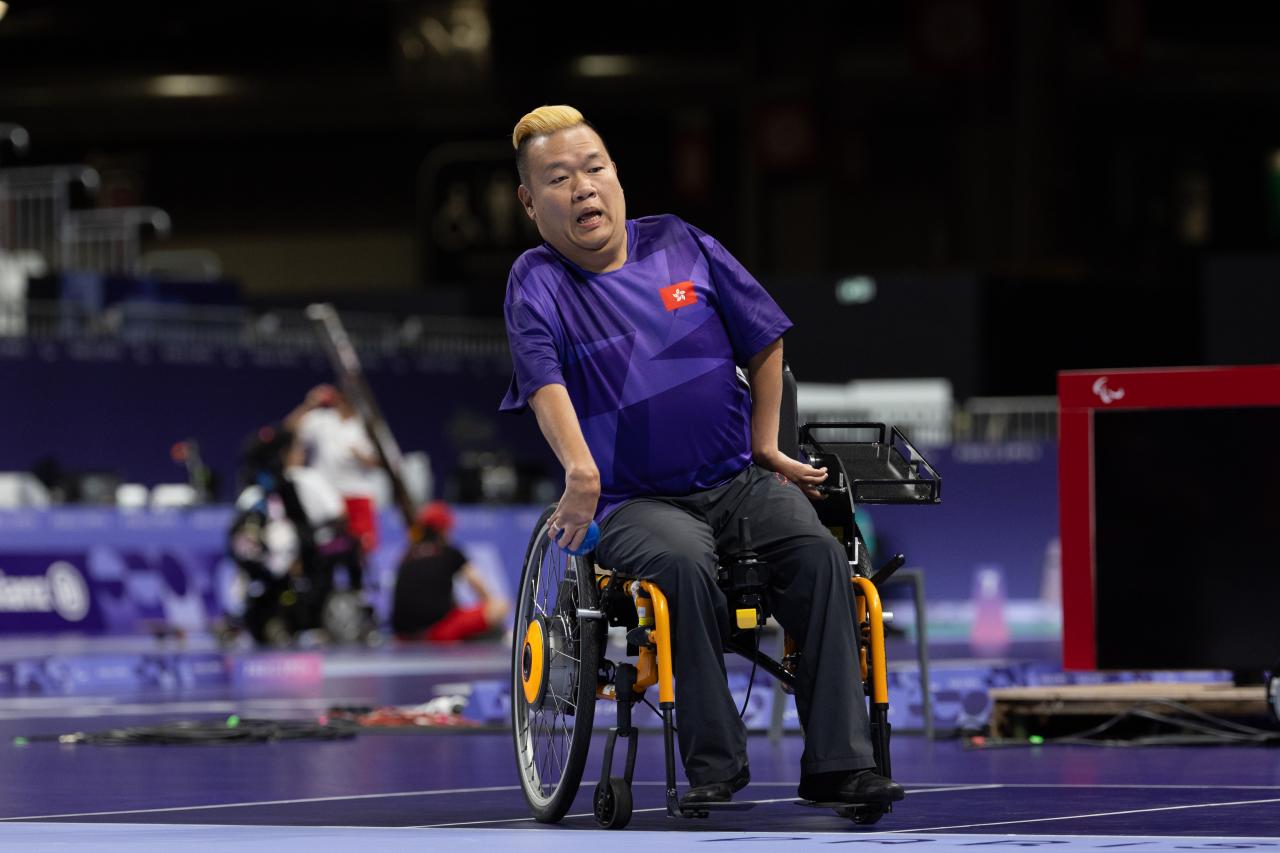
Boccia is a sport designed for athletes with disabilities, in which participants compete to see how close they can get six red and six blue balls to a white ball called the jack (target ball). Even if a person has difficulty throwing the balls due to their disability, they can still participate by using a ramp (a ramp device) and communicating their intentions to the ramp operator.
Source: 5th Asian Para Games
Venue
Nagoya City General Gymnasium [Rainbow Hall]
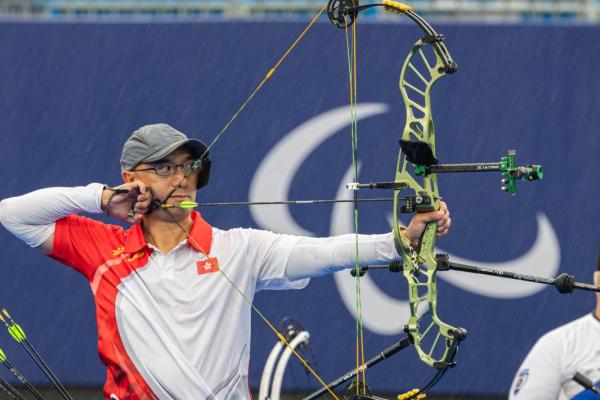
Para Archery is a sport in which archers shoot arrows at a target from a set distance and compete for points. Hitting the center of the target earns a highest score (10 points), and points decrease the further from the center the arrow hits. Competitors shoot a set number of arrows, and the total score determines the winner. It is also popular as a lifelong sport, and by using equipment suited to one’s physique and strength, anyone can enjoy it regardless of age or gender.
Source: 5th Asian Para Games
Venue
Okazaki Chuo Sogo Park Multipurpose Square
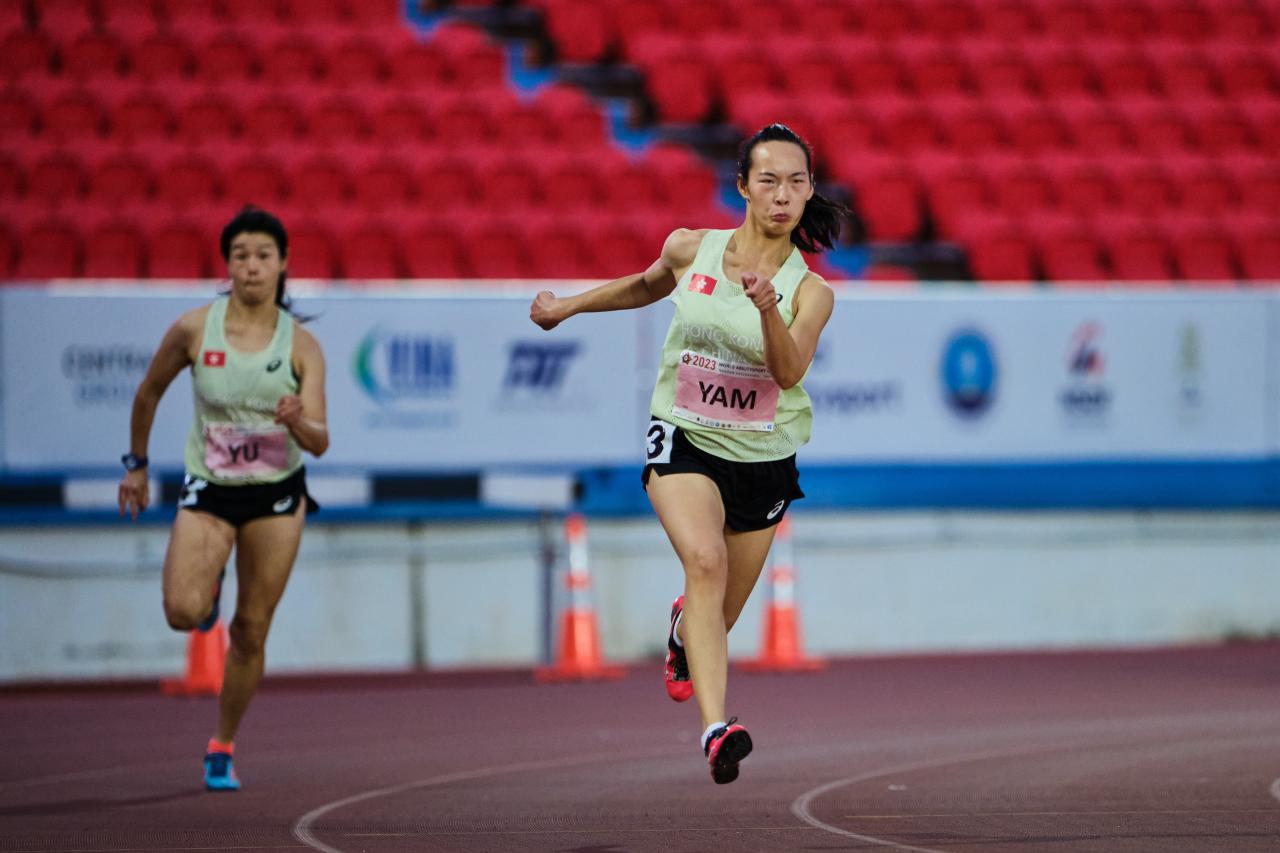
Various events are held, such as running, jumping, and throwing, similar to those in conventional athletics. In addition, the types and locations of impairments vary, and even within the same impairment, the degree of severity differs. Therefore, athletes are classified into categories so that competitors with similar levels of impairment can compete against each other. The number of such events amounts to approximately 150. Fierce battles unfold as they push the limits of human endurance.
Source: 5th Asian Para Games
Venue
Nagoya City Mizuho Park Athletic Stadium
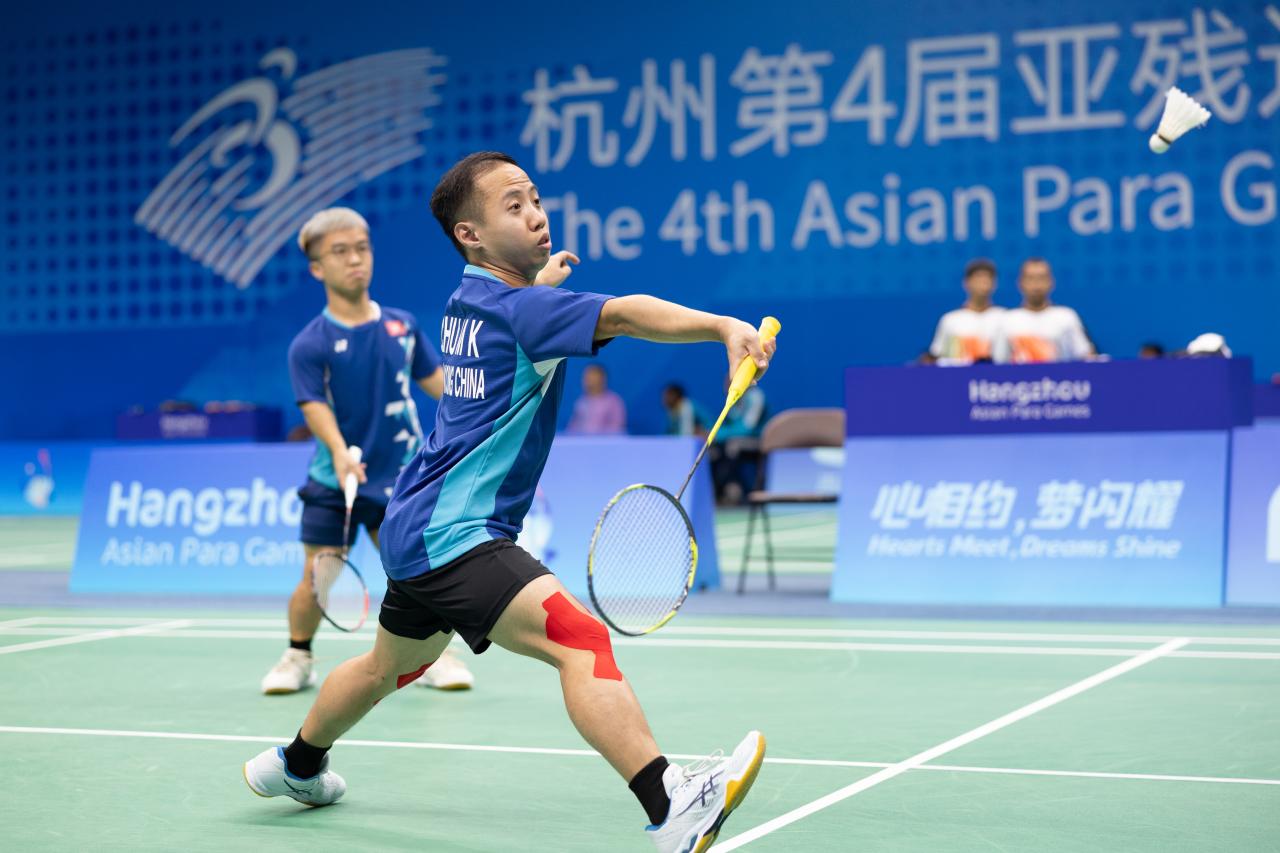
Badminton uses the same net height and basic rules as standard badminton, but some modifications are made depending on the type and degree of disability. The rackets and shuttlecocks used are the same as standard equipment. Players compete in two categories: wheelchair and standing, which are further divided into six classes based on the degree of disability.
Source: 5th Asian Para Games
Venue
Ichinomiya City Municipal Gymnasium
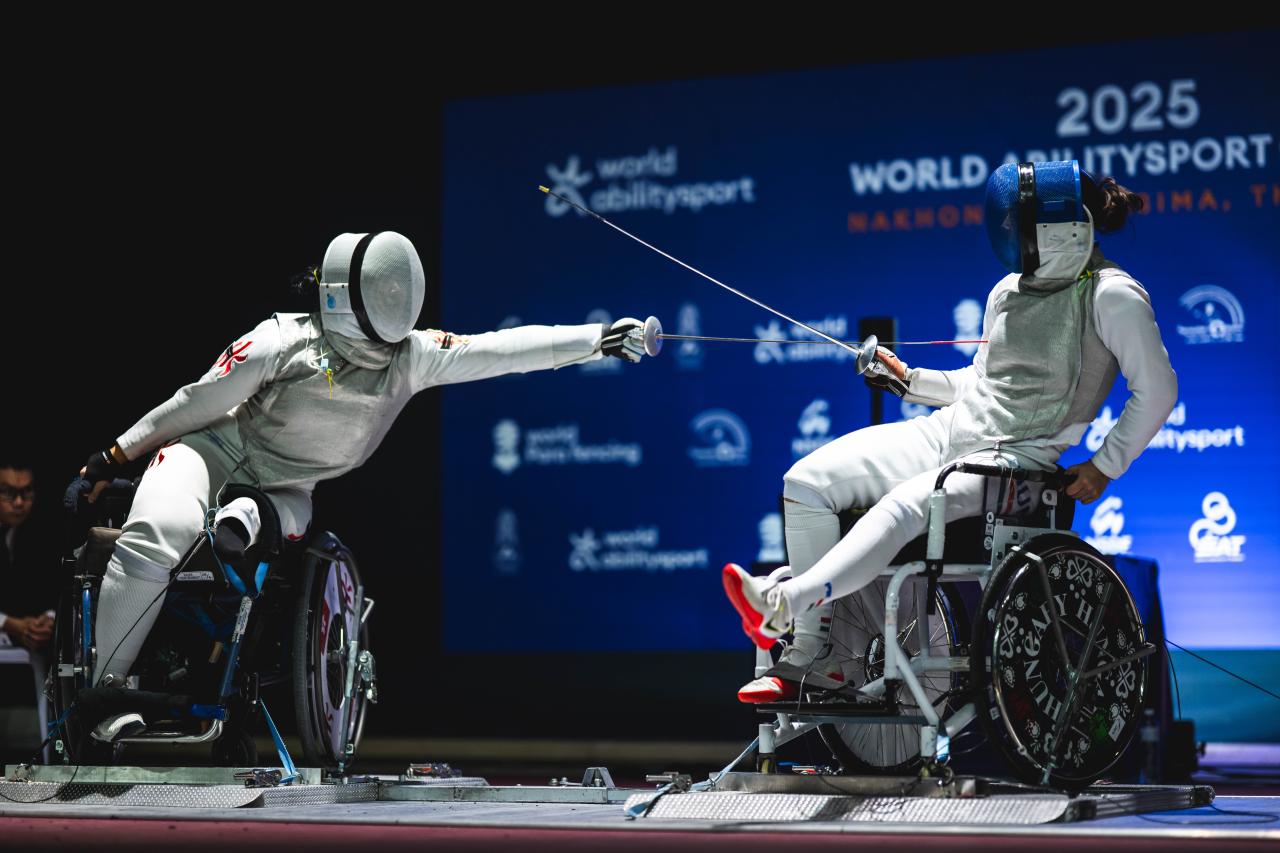
In wheelchair fencing, athletes’ wheelchairs are fixed to a device called a “frame,” and the distance between opponents is adjusted according to the length of their arms. The competition is conducted using only the upper body. There are specific rules unique to this sport, such as “the athlete must not lift their hips from the seat during the bout” and “the feet must remain on the footrest at all times.” Wheelchair fencing consists of three disciplines — foil, épée, and sabre — which differ in the type of weapon used and the valid target area.
Source: 5th Asian Para Games
Venue
Nagoya City Inae Sports Center
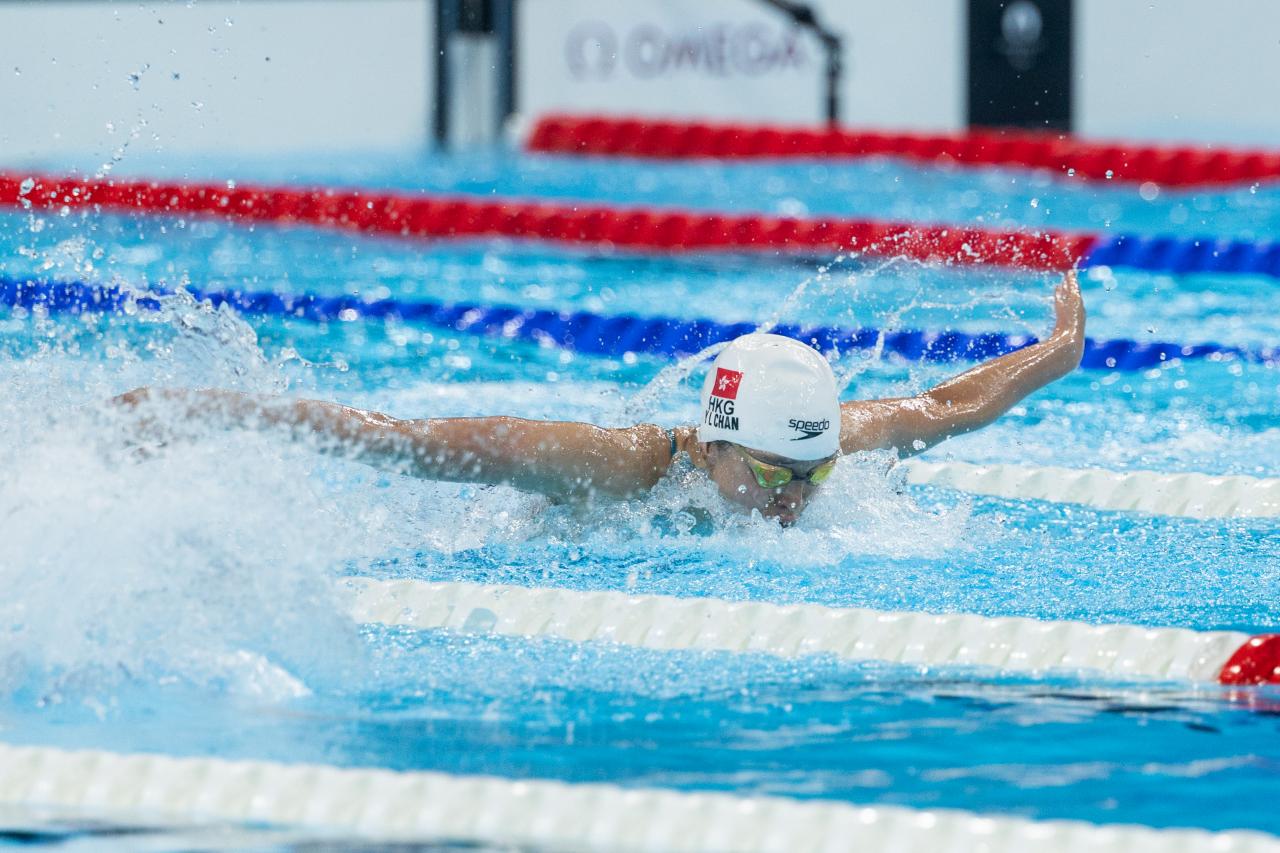
Athletes are classified according to the type and degree of their impairment, and competitions are held within each class. The competition rules are based on the regulations of World Aquatics, with exceptions provided for movements that cannot be performed due to impairments. The use of prosthetic limbs or assistive devices is not permitted, except for the use of ocular prostheses by athletes who are completely blind. For athletes with visual impairments, tapping by a tapper can be allowed to prevent collisions with the wall.
Source: 5th Asian Para Games
Venue
Nagoya City General Gymnasium [Rainbow Pool]
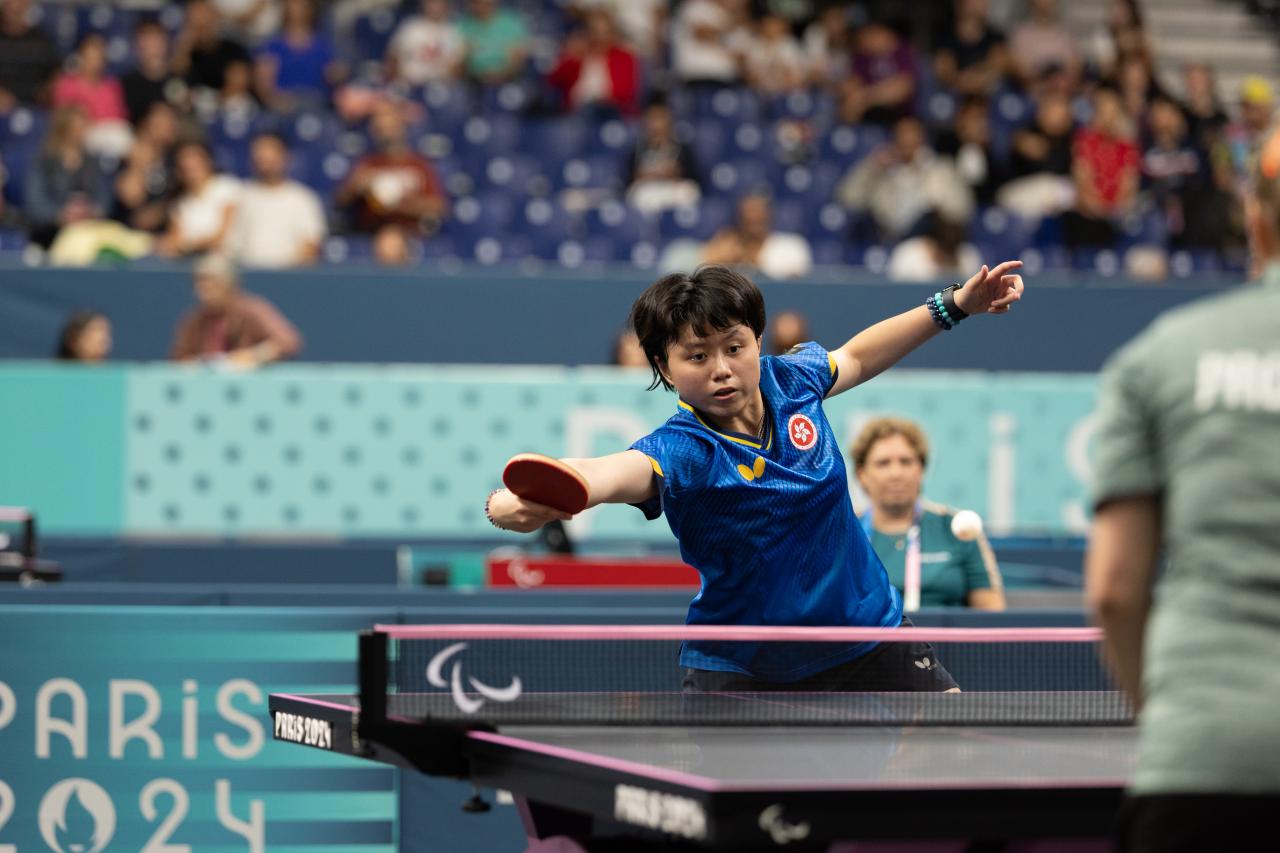
Table tennis is a competitive sport where players face each other across a rectangular table, rallying a ball with rackets to score points. The rackets and balls used are the same as those in standard table tennis. There are three categories: wheelchair users, standing players, and individuals with intellectual disabilities. To ensure fair competition, players are classified into different classes based on the type and degree of their disabilities.
Source: 5th Asian Para Games
Venue
SKY HALL TOYOTA
Para Taekwondo is a martial art in which competitors use impressive kicking techniques to score points against each other. Unlike standard taekwondo rules, attacks to the head are prohibited, and only kicks are considered valid techniques. The points awarded vary depending on the type of kick: a simple kick earns 2 points, a kick with a turning (180-degree) or spinning(360-degree) earns 4 points.
Source: Aichi-Nagoya 2026 Asian Para Games
Venue
Nagoya City Mizuho Park Gymnasium
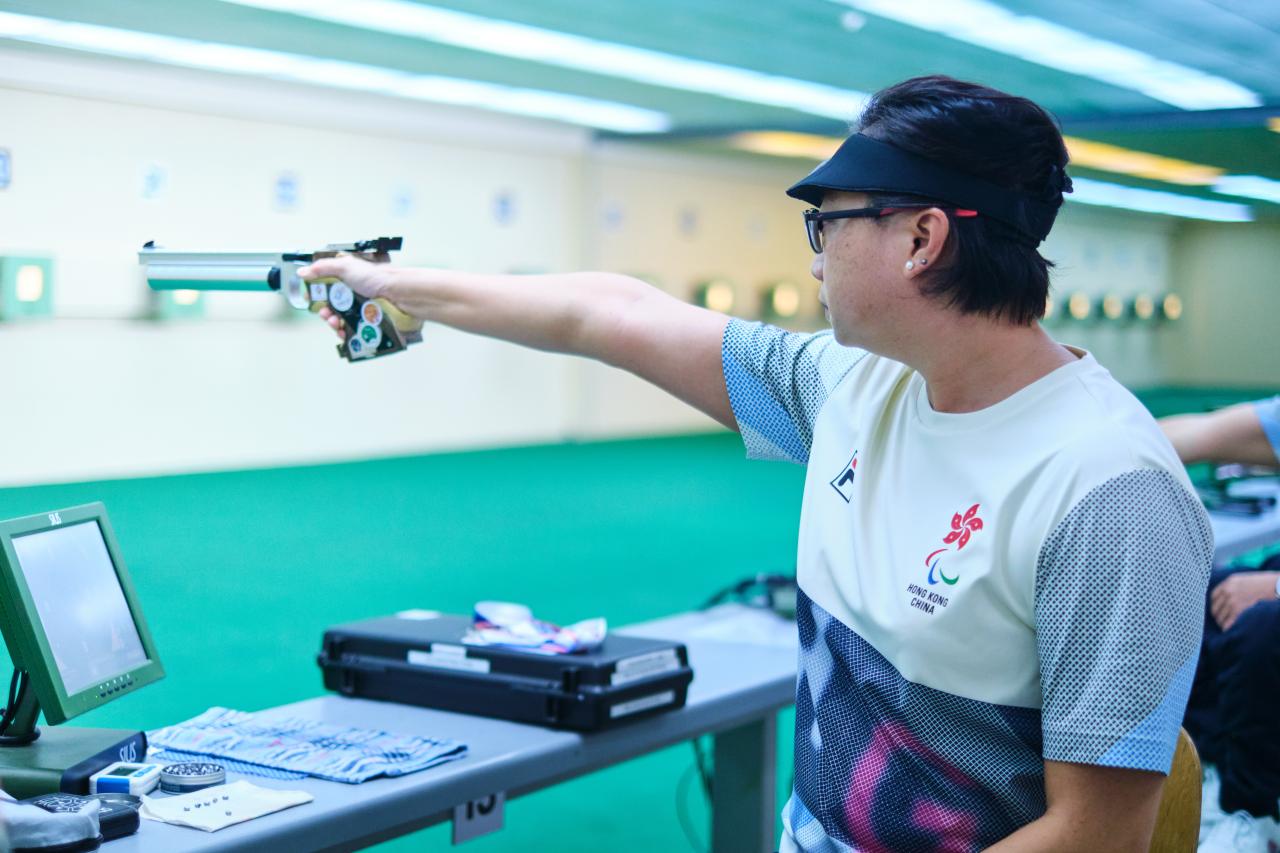
Competitors use firearms known as “rifles” or “pistols” to fire a specified number of rounds within a time limit, competing for the highest total score. Athletes with physical disabilities participate, and some use equipment such as wheelchairs or support stands tailored to their specific disability. This sport demands intense concentration and is sometimes called the “ultimate mental sport.”
Source: 5th Asian Para Games
Venue
Aichi Prefectural General Shooting Gallery
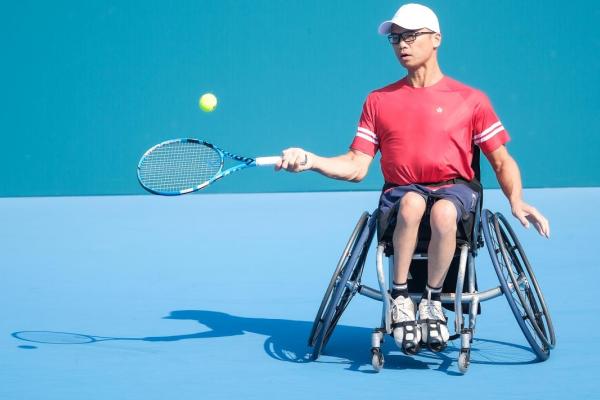
This is a competitive sport where players in wheelchairs hit the ball back and forth with a racket. It is played by athletes with lower limb disabilities, as well as those who have both lower limb disabilities and upper limb impairments such as paralysis. The court, net height, and equipment used are the same as in regular tennis, but while regular tennis requires returning the ball within one bounce, wheelchair tennis allows the ball to be returned within two bounces.